
Short Answer:
Most boilers last 15–20 years on average with proper care. Well-maintained steam boilers and cast-iron models can often reach 20–30 years (sometimes longer). However, without regular maintenance, lifespan drops significantly, efficiency suffers, and safety risks increase.
Most boilers last 15–20 years on average with proper care. Well-maintained steam boilers and cast-iron models can often reach 20–30 years (sometimes longer). However, without regular maintenance, lifespan drops significantly, efficiency suffers, and safety risks increase.
If your boiler is approaching or past 15 years old, or if you’re noticing performance issues, it’s smart to have a professional inspection now.
The Life Expectancy of a Boiler
What Factors Determine How Long Your Boiler Will Last?
Boiler longevity isn’t one-size-fits-all. The biggest influences include:
- Type of boiler — Gas, oil, electric, diesel or steam systems have different expected lifespans.
- Maintenance frequency — Annual professional service is the #1 way to extend life.
- Installation quality and water conditions — Hard water, poor venting, or improper setup shorten life.
- Usage and environment — Heavy use in commercial settings or extreme climates accelerates wear.
- Fuel type — Oil boilers sometimes outlast gas; electric components can wear faster.
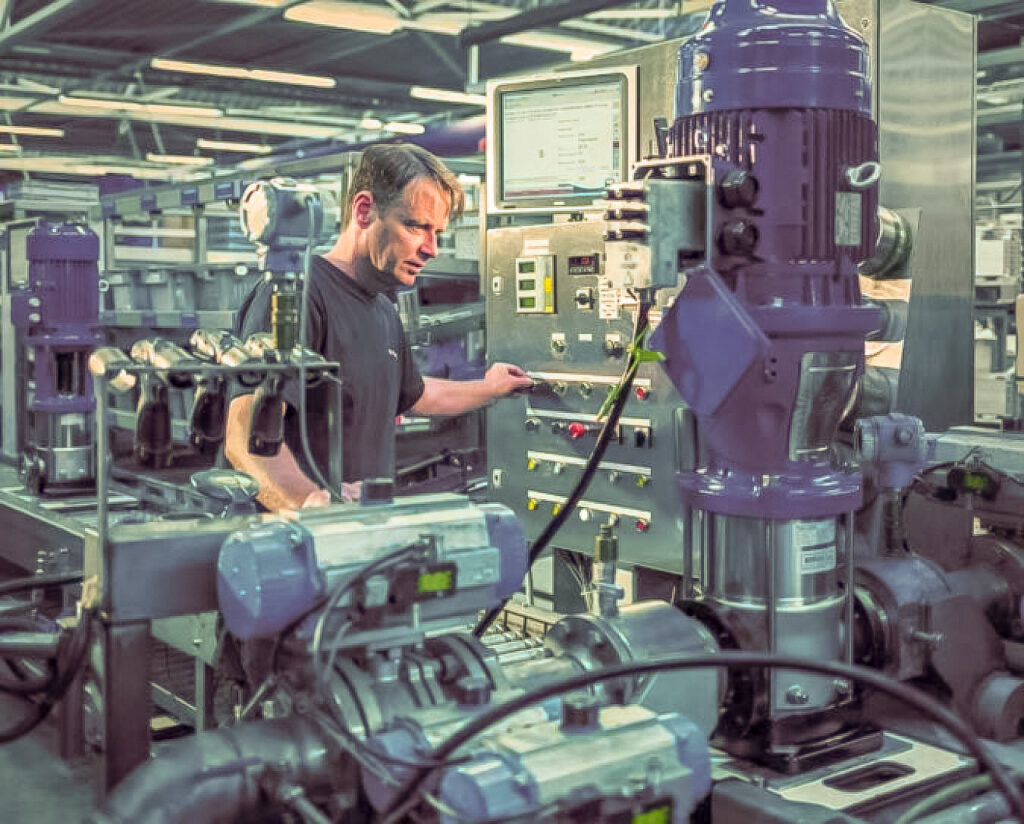
Pro Tip: Ask yourself these three questions (the same ones we ask every client at Engineered Energy Equipment):
- How old is your boiler?
- How often do you service it?
- Do you follow a scheduled maintenance and inspection program?
Average Boiler Lifespan by Type (2025–2026 Data)
Here’s a quick reference based on manufacturer guidelines and industry reports:
|
Boiler Type
|
Typical Lifespan with Good Maintenance
|
Notes
|
|---|---|---|
|
Standard Gas Boilers
|
10–15 years
|
Common in residential; efficiency drops faster without tune-ups
|
|
Oil-Fired Boilers
|
Up to 20 years
|
Often more durable but requires clean fuel
|
|
High-Efficiency Condensing Boilers
|
15+ years
|
Great energy savings, but sensitive components
|
|
Cast-Iron Steam Boilers
|
20–30 years (or more)
|
Excellent longevity when properly maintained
|
|
Commercial/Industrial Boilers
|
15–35 years
|
Varies widely by usage and care
|
What Happens If You Don’t Replace Your Boiler in Time?
Waiting too long can lead to:
- Poor efficiency → Higher fuel bills and increased CO₂ emissions.
- Unexpected failure → No heat or hot water when you need it most (especially risky in winter).
- Safety hazards → Risk of carbon monoxide leaks, fires, or other combustion issues.
- Obsolete parts → Repairs become expensive or impossible as manufacturers discontinue support.
How to Keep Your Boiler Running Longer: Maintenance Best Practices
Daily cleaning helps, but it’s only one piece of the puzzle. The most effective strategy is proactive, professional maintenance.
- Schedule annual inspections by a qualified technician.
- Address issues early (leaks, strange noises, pressure problems).
- Keep detailed service records — this helps when assessing overall condition.
- For steam boilers, follow manufacturer-recommended cleaning and water treatment routines.
If your boiler hasn’t been inspected in the last 12 months, now is the time.
9 Key Signs It’s Time to Replace Your Boiler
Watch for these common warning signs:
- Age — The boiler is over 15 years old (or 20+ for cast-iron/steam models).
- Frequent repairs or breakdowns — Multiple calls in a single year, especially if costs approach 50% of a new system.
- Parts are hard to find — Some manufacturers support parts for up to 10 years.
- Rising fuel bills — Efficiency has dropped, even if usage hasn’t changed.
- Slow to heat up — Takes much longer to reach desired temperatures.
- Uneven or insufficient heating — Applications performance decreases.
- Hot water issues — Water isn’t hot enough or takes too long.
- Unusual noises — Clanking, banging, squealing, or rumbling (often called “kettling”).
- Strange smells — Burning, gas-like, or rotten egg odors (treat as potential safety issue).
If you notice any of these, stop using the boiler! If you suspect a gas or carbon monoxide issue, contact a professional immediately.
Why Choose Professional Inspection Over DIY Assessment?
Articles list things to check, but nothing replaces a trained technician with the right tools. They can measure efficiency, test for emissions, inspect for corrosion, and give you an honest recommendation on repair vs. replace.
In Central Florida, contact the boiler specialists at Engineered Energy Equipment (EEE). We handle commercial systems, engineering rooms, and central energy plants, where we focus on long-term reliability and efficiency.
Frequently Asked Questions – Boiler Lifespan:
How long do commercial steam boilers typically last?
With excellent maintenance and water treatment, 20–30 years is common. Some well-cared-for systems exceed 35 years.
With excellent maintenance and water treatment, 20–30 years is common. Some well-cared-for systems exceed 35 years.
What is the biggest factor affecting boiler lifespan?
Water treatment and consistent professional maintenance. Poor chemistry causes the majority of premature failures in steam systems.
Water treatment and consistent professional maintenance. Poor chemistry causes the majority of premature failures in steam systems.
How often should an industrial boiler receive professional service?
At minimum annually; high-use facilities often benefit from quarterly or semi-annual visits.
Is it better to repair an old boiler or replace it?
When repairs become frequent or costly (approaching 50% of a new system), replacement usually delivers better long-term value through efficiency gains and reduced downtime.
When repairs become frequent or costly (approaching 50% of a new system), replacement usually delivers better long-term value through efficiency gains and reduced downtime.
What safety risks come with an aging industrial boiler?
Increased chance of pressure vessel issues, leaks, emissions non-compliance, or sudden failures that disrupt operations and create hazards.
Increased chance of pressure vessel issues, leaks, emissions non-compliance, or sudden failures that disrupt operations and create hazards.
Can regular maintenance really add years to a boiler’s life?
Yes — proactive care, especially water treatment and annual inspections, is the most effective way to reach or exceed the 25–30 year range.
Yes — proactive care, especially water treatment and annual inspections, is the most effective way to reach or exceed the 25–30 year range.